
Define requirements, evaluate technologies, compare vendors, and accelerate digital architecture decisions through structured technology selection and transformation planning.
Digital transformation initiatives often begin with a difficult question: which technologies, platforms, and solutions best fit the organization's operational and business requirements.
Defining business functions, documenting functional requirements, evaluating vendors, and comparing solutions are frequently manual, time-consuming activities involving multiple stakeholders and disconnected documentation. Organizations often rely on fragmented spreadsheets, consultant workshops, and lengthy evaluation cycles before arriving at a technology decision.
Ovitti provides a structured environment for digital architecture planning, technology evaluation, and vendor selection. It combines industry-specific business processes, business functions, requirement libraries, vendor assessments, and scoring methodologies into a single platform that helps organizations make more informed technology decisions.
The result is a more efficient technology selection process that reduces evaluation effort while improving decision quality and alignment with business objectives.
Accelerate technology evaluation and digital architecture planning through a structured selection framework.


Ovitti transforms technology selection from a fragmented consulting exercise into a structured and repeatable evaluation process.
Structured foundation
Complete coverage
Consistent scoring
Faster comparison
Informed decisions
Reduced effort

Business functions and operational requirements are identified across the organization.
Functional and non-functional requirements are mapped to business processes and operational needs.
Technology requirements are evaluated using structured assessment frameworks.
Relevant vendors and solution providers are identified automatically.
Solutions are scored against defined requirements and evaluation criteria.
Vendor comparisons and recommendation reports support final selection decisions.
Ovitti combines requirement management, vendor evaluation, digital architecture planning, and solution comparison within a unified platform.

Access industry business functions and process libraries.

Maintain structured inventories of FRs across applications.

Define security, performance, integration, and scalability needs.

Link business functions with operational processes.

Identify relevant technology providers.

Assess technology fit against business requirements.

Compare solutions using standard evaluation frameworks.

Evaluate multiple vendors side by side.

Support digital architecture planning and decision-making.

Generate structured assessment and recommendation reports.
Business Function Repository
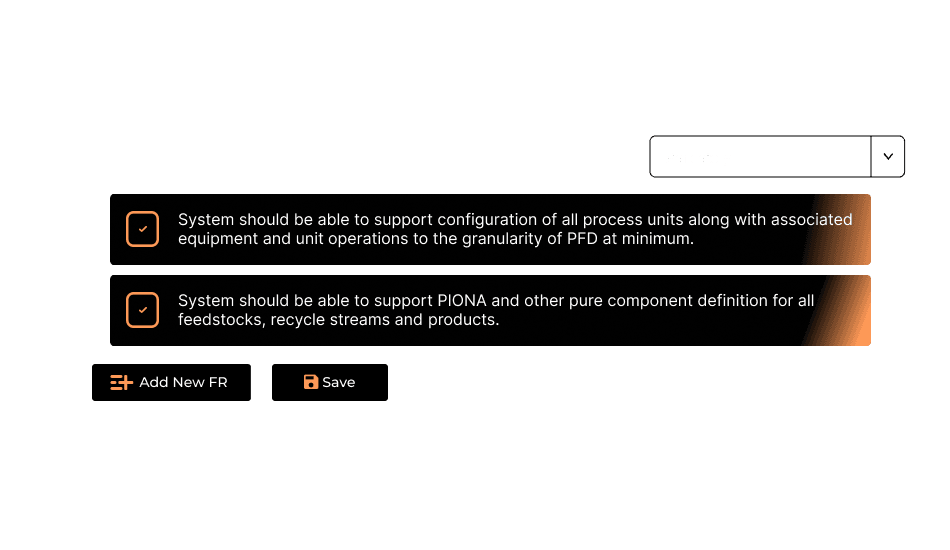
Requirement Definition Workspace
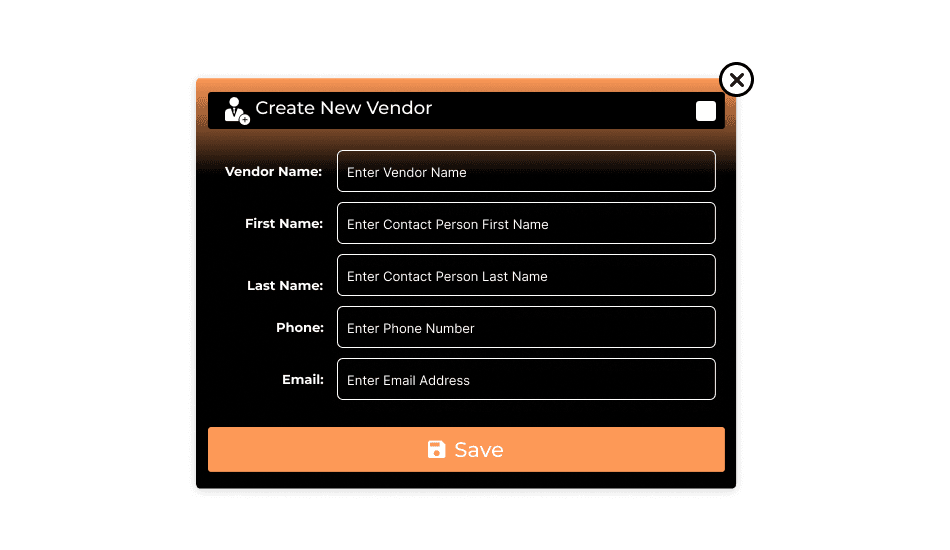
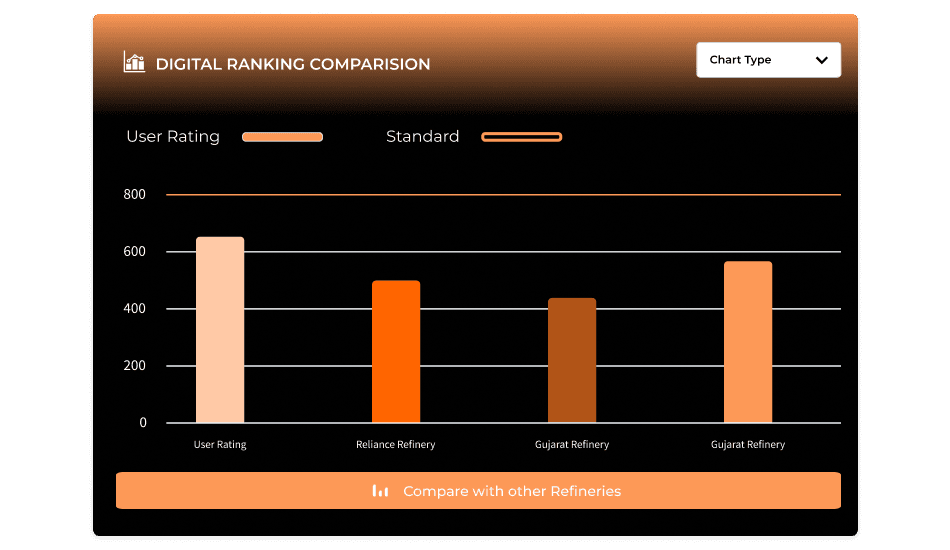
Vendor Evaluation Dashboard
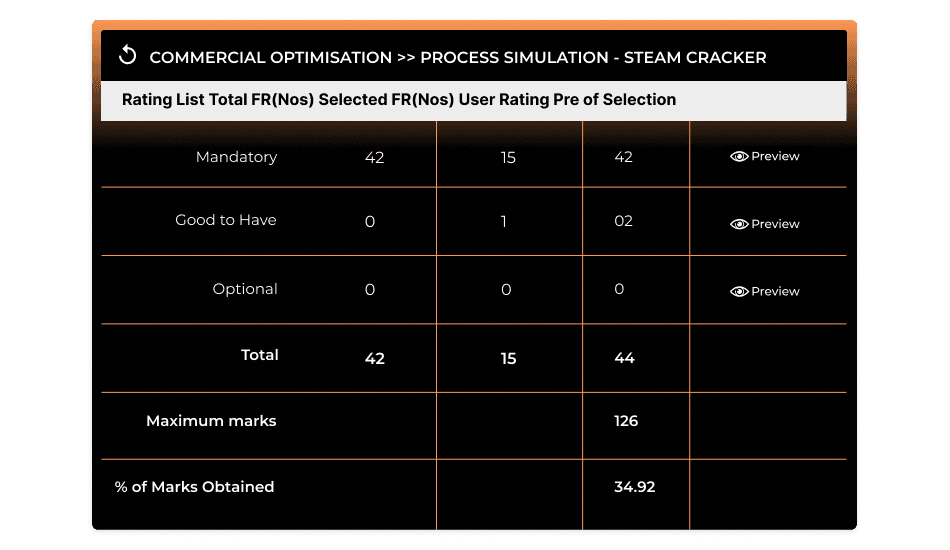
Solution Scoring Interface
Recommendation and Reporting View
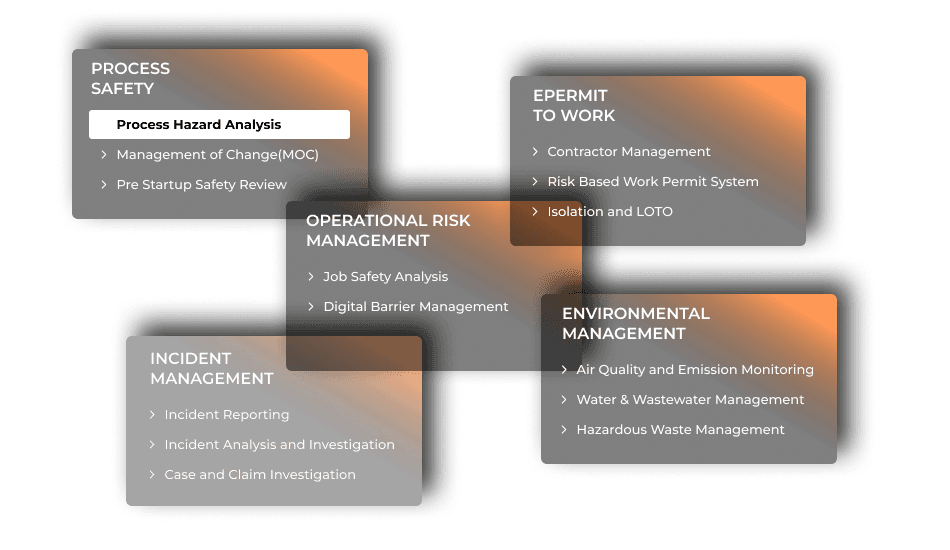
Business Function Repository
Requirement Definition Workspace
Vendor Evaluation Dashboard
Solution Scoring Interface
Recommendation and Reporting View
Reduce technology selection effort while improving consistency, transparency, and decision quality.

Faster Technology Evaluation

Reduced Vendor Assessment Effort

Better Requirement Definition

More Objective Solution Comparison

Improved Architecture Decisions

Reduced Consulting Dependency

Greater Stakeholder Alignment

Faster Digital Transformation Planning
Ovitti is designed for teams responsible for digital transformation, technology evaluation, and enterprise architecture planning.
Define business requirements and ensure selected solutions support operational objectives.
Ovitti supports technology evaluation from requirements definition and architecture planning to vendor assessment and solution selection.


Define digital architectures, evaluate technology alignment, and support modernization.
.svg)
Identify capability gaps, define requirements, and support transformation planning.

Evaluate operational technologies against business requirements and process needs.

Compare MES solutions using structured functional and non-functional requirement frameworks.

Assess technology capabilities, vendor fit, and solution alignment across operational environments.

Compare vendors through standardized scoring models and structured assessment criteria.
Answers to common questions about requirements management, vendor evaluation, and technology selection.
Ovitti is a digital architecture and technology selection platform that helps organizations define requirements, evaluate solutions, compare vendors, and support technology selection decisions through a structured assessment framework.
Ovitti provides industry business functions, requirement libraries, evaluation frameworks, scoring methodologies, and vendor comparison capabilities that simplify the technology selection process.
Functional Requirements define what a solution must do, while Non-Functional Requirements define how the solution should perform, including aspects such as security, scalability, integration, reliability, and performance.
Yes. Ovitti allows organizations to evaluate and compare multiple vendors against predefined business, functional, and technical requirements using structured scoring methodologies.
Yes. Ovitti helps organizations define future-state requirements, evaluate technology options, and establish digital architectures that support broader transformation programs.
Yes. Ovitti was developed to help organizations modernize digital architectures and evaluate technologies that support Industry 4.0 initiatives.
Ovitti is designed for asset-intensive and process industries, including Oil & Gas, Chemicals, Manufacturing, Power Generation, Metals & Mining, and related sectors.
Ovitti is commonly used by digital transformation leaders, enterprise architects, business process owners, operations excellence teams, and technology evaluation teams.
Traditional assessments often rely on workshops, spreadsheets, and manual evaluations. Ovitti provides a structured platform that standardizes requirement definition, vendor evaluation, scoring, and technology selection activities.
Yes. Ovitti helps organizations define requirements, shortlist technologies, evaluate vendors, and prepare for more informed procurement and selection processes.